Preview
Individual piece
Pantomime Waltz
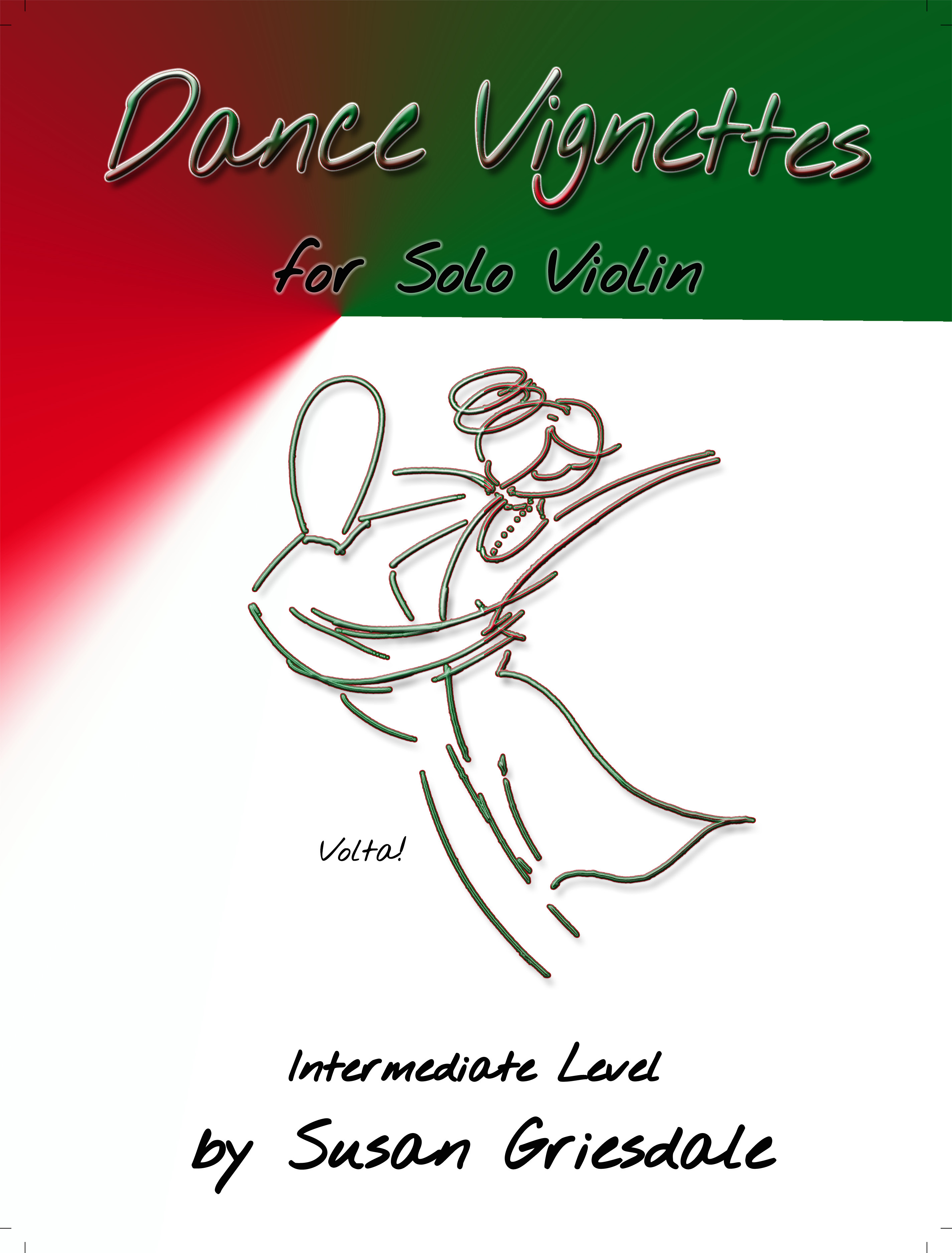
Using the Overtone scale (alternately called the Acoustic Scale) because it is close to the first seven pitches in the natural overtone series. In traditional music the overtone scale persisted in the music of the peoples of South Siberia. The acoustic scale appears in 19th Century music, notable in the works of Franz Liszt and Claude Debussy. And it also plays a role in the music of 20th Century composers including Igor Stravinsky, Bela Bartok and Karol Szymanowski who were influenced by folk music from the Polish Highlands. The Volta of 1556 is weighed by many to be the first actual waltz and was the first dance done in actual closed position. There are many references to a dance that would evolve into the waltz that date from 16th Century Europe. The peasants of Bavaria, Tyrol and Styria began dancing a dance called Waltzer around 1750. The Landler, a country dance was popular in Bohemia, Austria and Bavaria and spread from the countryside to the suburbs of the city. While eighteenth century upper classes continued to dance the minuets by Mozart, Haydn and Handel, bored noblemen slipped away to the balls of their servants. Shocking many when it was first introduced the waltz became fashionable in Vienna around the 1780's, spreading to many other countries in the years to follow. Of Note: This piece was written at the time of the COVID-19 pandemic during the 'social distancing' phase. In keeping with the sentiment of that time I chose the title Pantomime Waltz to mimic 'social distancing' as the waltz could be danced by one person with an imaginary partner.
Digital score
PDF downloadCAD
$7.00
USD
$5.00